This is Facility Rockstars! The podcast that celebrates the unsung heroes of our daily lives – facility professionals! I'm your host, Jay Culbert. Join me as we honor these leaders - sharing stories, insights, and expertise that empower us all to learn and grow together. Facility Rockstars is sponsored by Kaloutas, operating the way you operate in order to make your life easier. Learn more at: https://www.kaloutas.com

All Episodes

Latest Episodes

All Episodes
#67

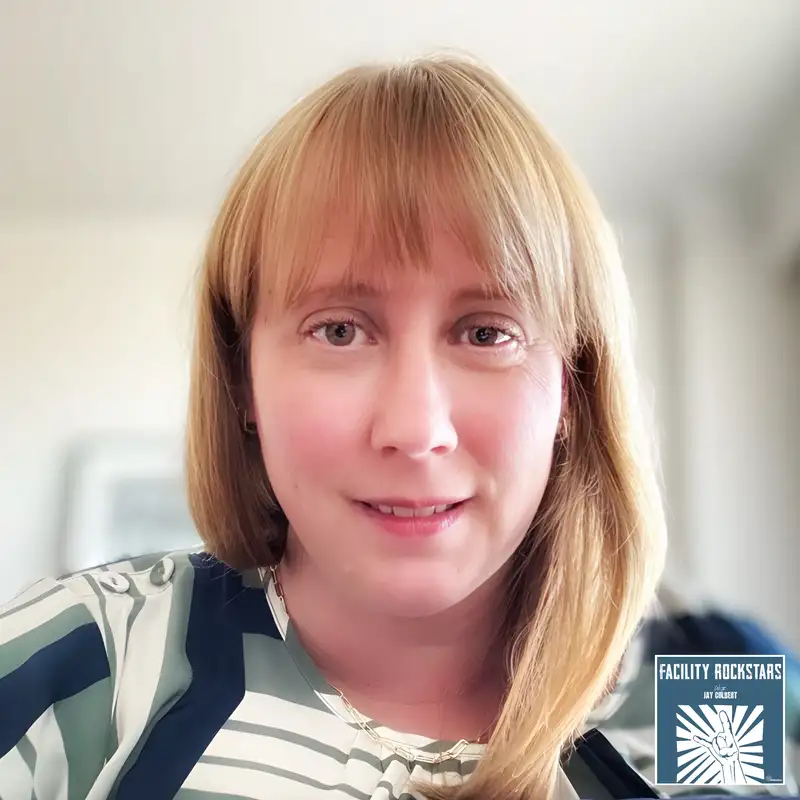
Emily Giannola on Causal Analysis and Incident Investigation

Emily Giannola, Director of Global EHS and Regulatory Compliance at Tecomet—a leading medical device manufacturer—brings a wealth of experience to the conversation. Her impressive background includes time as an OSHA compliance officer and service in the U.S. Coast Guard as a federal on-scene coordinator. Emily shares her deep expertise in safety, security, and emergency management, reflecting on key lessons learned throughout her career. One standout theme is the importance of slowing down during incident response to prevent critical mistakes. She also breaks down the nuances between causal analysis and root cause analysis, bringing the concepts to life through compelling real-world examples. Emily offers practical guidance on staying compliant, preparing for regulatory inspections, and cultivating a proactive safety culture. The episode wraps with a personal touch as she opens up about her passion for animal rescue and community outreach. Takeaways:Slow Down and Verify: Emily emphasized the importance of slowing down during incident response and emergency management tasks to avoid rushing and making critical mistakes. Always ensure that corrective actions are thoroughly verified to prevent creating new hazards.Gather Witness Statements Promptly: It's crucial to collect witness statements and affected person statements within the first 48 hours of an incident. This helps in capturing accurate and immediate recollections, minimizing information loss due to time lapses.Immediate Corrective Actions: Implement immediate corrective actions to mitigate hazards, even if it means shutting down processes temporarily. Addressing issues while the investigation continues ensures safety and prevents further incidents.Documentation and Inspection Readiness: Maintain organized and readily accessible documentation (e.g., training records, inspection logs) and utilize central repositories like SharePoint. Make inspections easy for compliance officers by having all necessary documentation prepared and available, demonstrating a proactive safety culture.Focus on Causal Analysis Over Root Cause Analysis: Adopt a comprehensive causal analysis approach rather than fixating on a single root cause. This involves examining multiple factors and timeline failures contributing to the incident to develop robust corrective actions and defense mechanisms at various points.Implement Focused Auditing: Conduct focused audits based on recent trends and issues identified in near misses, hazard observations, or reports of discomfort. Create specific, short inspection questionnaires and make it easy for employees and executives to perform these targeted audits.Collaboration Through Safety Committees: Ensure cross-departmental collaboration via safety committees, involving representatives from operations, maintenance, engineering, and team leaders. Avoid including supervisors or managers to foster open communication and honest feedback from frontline employees.Quote of the Show: "I think fresh eyes and eyes that don't see what we do every day lead to some of the best solutions that I've seen."Links:LinkedIn: https://www.linkedin.com/in/emily-giannola-m-s-79958927/ Website: https://www.tecomet.com/ Ways to Tune In:Spotify: https://open.spotify.com/show/0M2XB78b09i5vkWy1eHsxb Apple Podcasts: https://podcasts.apple.com/us/podcast/facility-rockstars/id1729458441 Amazon Music: https://music.amazon.com/podcasts/60bbc4f3-a123-47ca-9a83-eade102c5859/facility-rockstars Podchaser: https://www.podchaser.com/podcasts/facility-rockstars-5616662 YouTube: https://youtu.be/ns73OqO1a7k Facility Rockstars Newsletter: https://subscribe.kaloutas.com Facility Rockstars is sponsored by Kaloutas, operating the way you operate in order to make your life easier. Learn more at: https://www.kaloutas.com 
#66

Failing Fast: How a Disastrous Project Forged a Facilities Leader - Eric Beissner

How do you effectively manage the complexities of facility operations for 1400 locations while fostering strong relationships and navigating unforeseen challenges? Join host Jay Culbert as he speaks with Eric Beissner, Senior Facility Support Project Manager at EEG America, who shares invaluable insights from his extensive experience. Eric emphasizes that his biggest lesson learned is the necessity of being agile and understanding that not every situation is black and white, a realization cemented by an early project replacing safes. The discussion covers the critical strategies for communicating across a vast network of stores, highlighting a multi-layered approach, and delves into the importance of building robust partnerships with vendors through open communication and mutual respect.Eric contrasts planned maintenance with reactive break-fix work, noting how planned efforts allow for more proactivity, even though emergencies remain a constant. He discusses utilizing systems like Service Channel and the innovative use of virtual coordinators based in the Philippines to manage workflow and ensure task completion across all locations. Eric also explains their training process for these remote team members, which includes leveraging tools like Loom AI for creating effective, personable training videos.  Takeaways:Be Prepared for Adaptation: In the world of facilities management, not everything is black and white. It's crucial to be agile and ready to adapt to constantly changing circumstances, such as new types of equipment, vendor services, and software advancements.Cultivate and Utilize Relationships: Building strong relationships with vendors, in-house staff, and other stakeholders is key. These relationships can help you get the support you need when projects hit unexpected snags and require urgent attention.Develop and Follow a Plan: Having a detailed project plan that accounts for different scenarios and store types can significantly help in managing large-scale rollouts and changes. Make sure every involved party understands the plan and their role in it.Leverage Technology: Use systems like Service Channel for automating work orders, scheduling, and tracking project progress. Additionally, creating and sharing training materials via tools like Loom AI can streamline processes and ensure consistency across the board.Effective Communication is Crucial: Communicate frequently and through multiple channels to ensure everyone involved is on the same page. This can include regional managers, district managers, and store managers. Frequent follow-ups and clearly outlined instructions can help avoid misunderstandings.Learn from Mistakes: Use past projects as learning experiences. Analyze what went wrong and what went well, and incorporate those lessons into future planning. For example, setbacks in a safe replacement project led to better planning and coordination in subsequent projects.Maintain Work-Life Balance: Facilities management can be demanding, but it's important to take time for yourself and pursue activities you enjoy outside of work. This can help reduce stress and improve overall job performance.Quote of the Show:“If you put your nose to the grindstone and you take the time to learn and cultivate relationships, it doesn't matter how old you are or how long you've been in the industry, you can do some good here."Links:LinkedIn: https://www.linkedin.com/in/eric-beissner-327a4b111/ Website: https://www.eg-america.com/ Shoutouts: Rob Cox: https://www.linkedin.com/in/robjcox/ Ways to Tune In:Spotify: https://open.spotify.com/show/0M2XB78b09i5vkWy1eHsxb Apple Podcasts: https://podcasts.apple.com/us/podcast/facility-rockstars/id1729458441 Amazon Music: https://music.amazon.com/podcasts/60bbc4f3-a123-47ca-9a83-eade102c5859/facility-rockstars Podchaser: https://www.podchaser.com/podcasts/facility-rockstars-5616662 YouTube: https://youtu.be/mmCjVGfA6Vg Facility Rockstars Newsletter: https://subscribe.kaloutas.com Facility Rockstars is sponsored by Kaloutas, operating the way you operate in order to make your life easier. Learn more at: https://www.kaloutas.com 
#65

Bridging the Talent Gap: Mentorship, Advocacy, and the Future of FM | Frank Rhodes II

Frank Rhodes II, Senior Director of CapEx and Facilities at Benchmark Senior Living, discusses his extensive 18-year career in hospitality, engineering, and facilities management. Frank shares his journey from a tradesman to a senior director, discussing the importance of mentorship, continuous improvement, and the challenges of managing catastrophic events. He emphasizes the value of taking a breath before reacting to crises and illustrates how effective debriefing and team collaboration can lead to successful outcomes. Frank also discusses the need for talent advocacy within the Facilities Management industry and the role of organizations like IFMA in bridging the talent gap. Throughout the conversation, he highlights the importance of work-life balance, family support, and investing in personal and professional growth. Takeaways:Practice the "Take a Breath" Method in High-Stress Situations. Instead of reacting impulsively to emergencies or difficult situations, pause.  This allows for a more strategic and thoughtful response. For instance, write the email, but come back to it later to reread before sending.Implement the "Flawless Execution" Framework. For any project or event, follow the four-step process used by Blue Angel pilots: Plan, Brief, Execute, and Debrief. The debrief is critical for learning and improving, and it should be done in a way that encourages honest feedback by "taking off your name badge at the door".Actively Seek Mentorship, Even Informally. Identify the experts and leaders you admire and don't hesitate to make them your first call when you face a challenge. A mentor doesn't need a formal title; they can simply be your go-to resource for specific areas like HR, soft skills, or technical issues.Advocate for the FM Profession to Bridge the Talent Gap. Get actively involved in attracting new talent. This can be done by using social media to recognize your team and spread the word, speaking at local vo-tech and high schools, or participating in and judging SkillsUSA events to connect with the younger generation.Create a Safe Space for Team Feedback. Meaningful collaboration doesn't always happen in a group setting. Recognize that some team members may be hesitant to speak up. As a leader, it's your responsibility to follow up with those individuals in one-on-one meetings to ensure their voice is heard in a comfortable environment.Invest in Yourself Through Professional Associations. Join an organization like IFMA not just for networking, but as a direct investment in your own career growth and education. Use the association as a primary resource for unbiased advice, accreditation opportunities like the CFM, and support when you're facing a new challenge.Prioritize and Be Present with Your Family. Recognize that your family are the "unsung heroes" who sacrifice alongside you. Make a conscious effort to "take a breath at home" and be fully present with your loved ones, as this provides the foundational support needed to succeed professionally.Quote of the Show:"None of us can be successful without our team. We could have all the right playbooks. We could say all the right things, but if you don't have a team behind you, you're not going anywhere." Links:LinkedIn: https://www.linkedin.com/in/frank-rhodes-ii-cfm-44015615/ Website: https://www.benchmarkseniorliving.com/ Shoutouts: MA Skills USA: https://www.maskillsusa.org/Facilithon: https://fmpipeline.org/South Shore Technical High School: https://southshore.tech/Afterburners FlawLess Execution Plan: https://www.afterburner.com/about/our-process/“Flawless Execution” by James D. Murphy: https://a.co/d/e8Q7AHJ Ways to Tune In:Spotify: https://open.spotify.com/show/0M2XB78b09i5vkWy1eHsxb Apple Podcasts: https://podcasts.apple.com/us/podcast/facility-rockstars/id1729458441 Amazon Music: https://music.amazon.com/podcasts/60bbc4f3-a123-47ca-9a83-eade102c5859/facility-rockstars Podchaser: https://www.podchaser.com/podcasts/facility-rockstars-5616662 YouTube: https://youtu.be/X-M88J20i78 Facility Rockstars Newsletter: https://subscribe.kaloutas.com Facility Rockstars is sponsored by Kaloutas, operating the way you operate in order to make your life easier. Learn more at: https://www.kaloutas.com 
#64

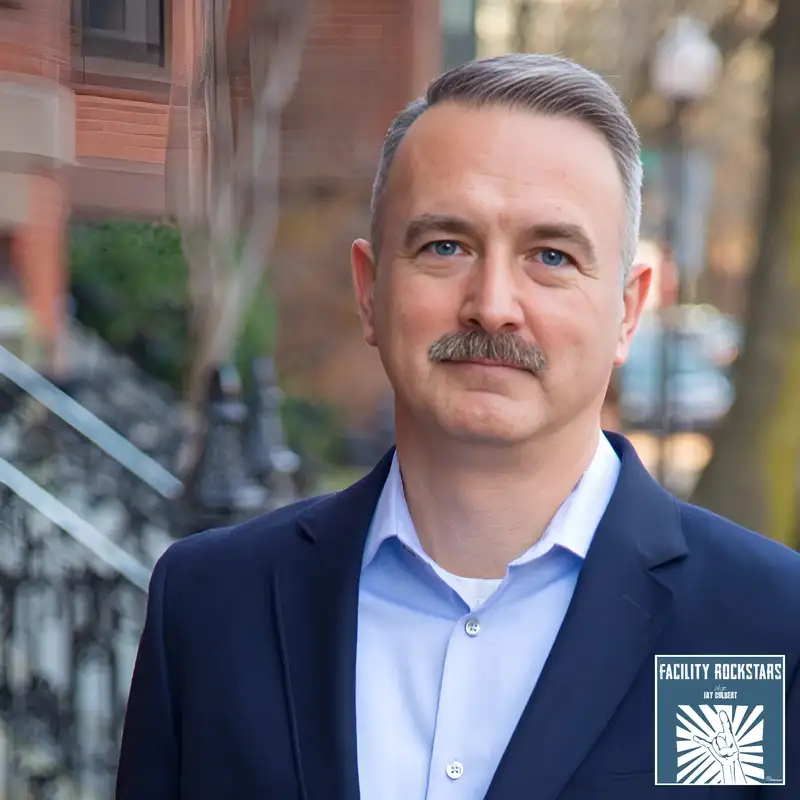
Trust, But Verify: A Facility Management Deep Dive with Matt Deehan

How do you ensure excellence and build lasting success in the multifaceted world of facility management?Join host Jay Culbert with guest Matt Deehan, VP of Facility Management Services at UG2 and VP of Education for IFMA Boston, as he shares vital industry insights. Matt’s biggest lesson from 25 years of experience is to "trust, but verify," emphasizing the need to dig into details for proof. He discusses the benefits of outsourcing facility services, primarily the access to broader expertise, and advocates for a mindset of continuous improvement, always aiming for perfection. Matt also explores the power of administrative controls, automation, and CMMS to streamline operations and preserve knowledge. Reflecting on a major challenge—launching a route maintenance program for 792 grocery stores —he highlights the critical role of collaboration. Ultimately, Matt stresses that strong stakeholder relationships, built on proactive communication and mutual respect, are foundational to achieving goals and navigating the complexities of facility management.Takeaways:Emphasize the Importance of Collaboration in Your Work Environment: Make it a point to highlight how crucial collaboration is to your team, emphasizing that working together tends to produce better results than working alone.Collaborate Regardless of Job Description: Actively engage in collaborative efforts, even if it's not explicitly mentioned in your job duties. Taking the initiative shows leadership and a willingness to contribute beyond your designated role.Surround Yourself with Collaboratively-minded Individuals: Identify and associate with colleagues and team members who value and understand the essence of working together towards shared goals.Commitment to Collective Purpose: Ensure that everyone on your team is dedicated to the collective goal. A group of people who are all committed to the same end result can achieve extraordinary outcomes.Work Hard Towards Shared Objectives: Always put in the effort to contribute to the team's objectives. Hard work within a collaborative environment accelerates the achievement of goals.Cultivate Open Communication and Teamwork: Promote and encourage a culture where open communication and teamwork are the norms. This creates an environment where everyone feels comfortable sharing ideas and working together.Quote of the Show:“Collaboration with other people is key; whether it's in your job description or not, if you surround yourself with people who can collaborate, work together for a common goal, and are all hardworking, you can get a lot done.” Links:LinkedIn: https://www.linkedin.com/in/matthew-deehan/ Website: https://ug2.com/ Shoutouts: IFMA Boston: https://ifmaboston.org/ IFMA: https://www.ifma.org/ Smartsheet: https://www.smartsheet.com/ Ways to Tune In:Spotify: https://open.spotify.com/show/0M2XB78b09i5vkWy1eHsxb Apple Podcasts: https://podcasts.apple.com/us/podcast/facility-rockstars/id1729458441 Amazon Music: https://music.amazon.com/podcasts/60bbc4f3-a123-47ca-9a83-eade102c5859/facility-rockstars Podchaser: https://www.podchaser.com/podcasts/facility-rockstars-5616662 YouTube: https://youtu.be/8kXwXW0UskU Facility Rockstars Newsletter: https://subscribe.kaloutas.com Facility Rockstars is sponsored by Kaloutas, operating the way you operate in order to make your life easier. Learn more at: https://www.kaloutas.com 
#63

Stop, Listen, Inquire: Layth Wahbeh's Method for Root Cause Analysis & Lasting Facility Improvements

Ever wonder why asking questions is so important? In this episode of Facility Rock Stars, Jay Culbert interviews Layth Wahbeh, a former facilities manager at Jarvis Products and a forward-thinking leader in engineering and operations. Layth emphasizes the importance of questioning and listening to avoid problems and drive efficiency. He shares a story about identifying a steam supply issue at a plant and how addressing it led to significant operational improvements. Jay and Layth also discuss the importance of root cause analysis, compliance, cultural transformation, and the challenges of driving change within teams. Layth reflects on his personal experiences, including the impact of leadership and continuous learning on his career, and balances his professional life with hobbies like sailing and spending time with his son. Takeaways:Always Question Things: Layth emphasizes the importance of continuously questioning processes and assumptions to identify and prevent issues before they happen. Don't assume things are done correctly; proactively question and validate.Embrace Change for Extraordinary Results: Layth highlights that achieving extraordinary results necessitates a willingness to change how operations are conducted. Embracing change and being open to new methods can lead to significant improvements.Be Humble and Listen: One of Layth’s biggest lessons learned is the importance of humility and being a good listener. Effective listening and acknowledging that you don’t know everything can uncover insights and drive better decision-making.Engage the Team in Problem-Solving: Layth showcases the importance of involving the team in identifying problems and solutions. Engaging the team fosters collective problem-solving and leverages diverse perspectives for effective solutions.Use Root Cause Analysis: Layth’s experience underscores the necessity of conducting thorough root cause analysis to ensure problems are permanently resolved. This approach helps in understanding the underlying issues and implementing preventive measures.Measure and Audit Regularly: Regular audits and measurements are crucial in maintaining system efficiency and reliability. Layth mentions the importance of auditing systems to keep them optimized and running effectively.Build a Culture of Accountability and Ownership: Creating a culture where team members take accountability and ownership of their tasks is essential. Layth stresses that when individuals feel responsible for their areas, it leads to better performance and proactive problem-solving.Quote of the Show: “Sometimes, the tongue doesn’t know what the mind wants to say. People simply find ways to live with their problems, and that becomes their normal way of operating. But that’s not how it should be—people deserve more than just coping; they deserve healing and understanding.” Links:LinkedIn: https://www.linkedin.com/in/layth-wahbeh-12124ba7/ Phone number:   (475) 231-5128Email: lawahbeh@hotmail.com Shoutouts: “Good to Great” by Jim Collins: https://a.co/d/g2rlAXy Ways to Tune In:Spotify: https://open.spotify.com/show/0M2XB78b09i5vkWy1eHsxb Apple Podcasts: https://podcasts.apple.com/us/podcast/facility-rockstars/id1729458441 Amazon Music: https://music.amazon.com/podcasts/60bbc4f3-a123-47ca-9a83-eade102c5859/facility-rockstars Podchaser: https://www.podchaser.com/podcasts/facility-rockstars-5616662 YouTube: https://youtu.be/LVn_p63EHZw Facility Rockstars Newsletter: https://subscribe.kaloutas.com Facility Rockstars is sponsored by Kaloutas, operating the way you operate in order to make your life easier. Learn more at: https://www.kaloutas.com