All Episodes

Displaying 21 - 40 of 97 in total

#76

Confidence and Curiosity: The Cornerstones of Innovation | Ben O’Donnell

Ben O'Donnell, the Innovation and Facilities Engineer at Novia Corporation, shares his journey from a six-year-old welder to a hands-on innovator in the metal fabrication industry. He shares his profound belief in the power of long-term solutions over short-term fixes, illustrating his philosophy with real-world examples of process and product innovation at his company. The conversation also explores the critical role of self-confidence in career growth, the importance of listening to and empowering coworkers, and practical strategies for training new talent in the industry. He also provides a compelling look at how a mindset focused on continuous improvement and genuine problem-solving can lead to significant advancements in efficiency, quality, and overall job satisfaction. Takeaways:Advocate for Long-Term Solutions: While acknowledging the occasional necessity of a "bandaid" fix, consistently push for comprehensive, long-term solutions that address the root cause of a problem, even if it requires a significant upfront investment.Re-evaluate Longstanding Processes: Regularly examine and question procedures that have "always been done that way." Introducing new technologies or materials can dramatically increase efficiency, reduce costs, and improve the final product's quality.Amplify the Voices on the Floor: Actively seek feedback from the individuals performing the day-to-day work. They often have the clearest insight into recurring issues, and addressing their struggles can lead to widespread improvements.Cultivate Confidence: Recognize that self-belief is a game-changer. Finding confidence, even through seemingly unrelated experiences, can fundamentally improve your approach to challenges and your ability to trust your own judgment.Turn Customer Issues into Opportunities: When a customer encounters a problem with a product, view it as a chance to connect with them directly, collaborate on a solution, and ultimately build a stronger, more positive relationship.Prioritize Aptitude and Attitude in Hiring: When bringing new people into the industry, focus on their work ethic and personality. Skills can be taught, but innate qualities like drive and a willingness to learn are harder to instill.Innovate to Make Work More Enjoyable: A key aspect of innovation is eliminating tedious, labor-intensive tasks. By improving or removing these annoying parts of the job, you can boost morale and allow your team to focus on more impactful work.Quote of the Show:"I like getting the feedback directly from people whose voices aren't always heard and trying to work with them to solve the issues that they have." Links:LinkedIn: https://www.linkedin.com/in/benjamin-o-donnell-b2a059226/ Email: ben.odonnell@noviacorp.com Website: https://noviacorp.com
#75

Why Custodial and Maintenance Teams are Your Greatest Asset | Michael Manning

Michael Manning, a seasoned facilities management professional who currently serves as the Facilities Manager at Omega Optical, shares his invaluable insights on transforming a facilities department from a cost center into a key driver of business strategy. Michael takes us on a journey from the boiler room to the boardroom, detailing how effective communication, data-driven decisions, and proactive planning can elevate the role of any facilities team. He discusses the critical importance of building a strong, empowered team founded on trust and advocacy, shares gripping stories of handling on-site emergencies, and offers practical advice on everything from implementing a CMMS to championing real-world sustainability initiatives that make a tangible impact. Takeaways:Advocate for Your Team in the Boardroom: Don't just ask for a new boiler; present the data. Use maintenance records and invoices to build a business case that shows the long-term value of preventative maintenance and crucial upgrades, turning your department into a strategic partner.Build Trust First, Make Changes Later: When taking over a new team, spend time observing and listening before implementing changes. Announce that you trust their expertise and are there to make their jobs easier. This builds immediate goodwill and opens lines of communication.Involve Your Team in Change: When a change is necessary, bring the affected team members into the conversation early. Explain the "why" behind the decision and ask for their input to ensure a smoother transition and greater buy-in.Create a "Macro View" During Emergencies: In a crisis, your most important job as a leader is to step back. Trust your trained team to handle the immediate cleanup and focus your energy on coordinating the next steps, like scheduling cleaning crews, managing communications, and mitigating further damage.Champion Your Unseen Heroes: Make a conscious effort to introduce your custodial, grounds, and maintenance staff to upper management. Highlighting their contributions and years of institutional knowledge ensures they feel seen, valued, and appreciated.Seek Out Knowledge Relentlessly: You don't need to be an expert in everything. When an HVAC tech or an electrician is on-site, ask questions. Show genuine interest in what they do. This not only broadens your own knowledge base but also builds stronger relationships with your vendors.Quote of the Show:"The more information that the board members or even the CEO or the top executive level know, the better you can prepare and do that preventative maintenance."Links:LinkedIn: https://www.linkedin.com/in/michael-manning-8a033a16b/ Email: mgm85101@gmail.com Website: https://omega-optical.com/ Facility Rockstars is sponsored by Kaloutas, operating the way you operate in order to make your life easier. Learn more at: https://www.kaloutas.com 
#74

The Importance of Prioritization and Communication in Facilities - Carrie Battafarano

Carrie Battafarano, Maintenance Manager at Noria, shares her extensive experience in facilities and project management within the convenience store industry. She emphasizes the importance of not making assumptions and asking the right questions to solve problems effectively, a lesson she learned through trial and error. Carrie highlights the strong, trust-based relationship between the facilities and operations departments at Noria, which is built on open communication and consistently showing up to resolve issues. She also discusses her team's approach to prioritizing tasks, focusing on safety and sales, and managing a large number of sites across multiple states through a combination of in-house technicians and a trusted pool of vendors.Takeaways:Never make assumptions. When a problem arises, it's crucial to ask questions and dig deeper to understand the root cause before dispatching technicians or vendors. This avoids sending the wrong person with the wrong skillset, which saves time and money.A strong relationship between facilities and operations is built on trust and communication. Consistently showing up, communicating effectively, and delivering results are key to fostering a collaborative environment where both departments can work together to solve problems.Prioritize tasks based on safety and sales. Safety is always the top priority, followed by issues that impact sales. Communicating why a smaller issue might need to take a backseat to a more critical one helps manage expectations.Utilize a combination of in-house teams and trusted vendors. Noria has a robust in-house team of technicians for various trades, which allows for timely responses. They supplement this with a carefully selected pool of vendors who understand their expectations and standards.View facilities from a consumer's perspective. To maintain high standards of cleanliness and overall experience, it's important to see the stores as a customer would. This helps in identifying areas that need attention and ensuring a welcoming environment.Trust and empower your team. A manager cannot do their job without a reliable team. Trusting your team members, supporting them, and fostering an environment where they can lean on each other is essential for success.Quote of the Show:"My best piece of advice is to trust in your team members and hire a team that works well together. I think that's the most important piece. You cannot do your job without your team.” Links:Email: cbattafarano@nouria.com LinkedIn: https://www.linkedin.com/in/carrie-battafarano-82ab3a59/ Website: https://nouria.com/ 
#73

Understanding and Implementing Universal Design | Don Watson

Don Watson, Senior Vice President of Global Real Estate, Facilities, and EHS at Oracle, shares his insights on universal design. He introduces universal design as a framework for creating truly inclusive and productive environments that go beyond basic ADA compliance to serve people with diverse abilities. Centered on his core philosophy of "people, people, people," Don explains how this approach enhances everything from safety and wellness to human performance by removing physical and social barriers. Drawing from a career that began in chemical engineering, he provides practical, often low-cost strategies for implementation and highlights the importance of embedding these principles into an organization's design standards from the start. Takeaways:Universal design creates inclusivity beyond compliance. It is a mindset shift focused on designing environments that are healthier, safer, and more productive for everyone by removing physical and social barriers. This approach intentionally goes beyond the baseline requirements of the Americans with Disabilities Act (ADA) to create a workplace where anyone can thrive.Implementation can start with low-cost, high-impact changes. Many principles of universal design can be put into practice with little to no financial investment. Simple adjustments, such as arranging items on a shelf vertically instead of horizontally or ensuring an accessible-height desk is not used for storage, can make a significant and immediate impact.The most effective strategy is to embed universal design into your standards. To avoid costly retrofits, the goal should be to build the principles of universal design directly into your organization's official design standards. This ensures that every new project is inherently designed to be inclusive from its inception.The core of facilities management is "People, People, People." Don's guiding principle is that despite advancements in technology, the profession is fundamentally about human interaction. Understanding the needs of people—from customers to colleagues—is crucial for delivering successful facilities.Seek direct feedback from your users. One of the most powerful ways to identify barriers is to ask for help. Inviting members of an employee resource group for people with disabilities to walk through a facility with you will provide invaluable, real-world insights that you can act on immediately.Embrace a non-linear career path. Don's journey from a chemical engineer to a senior vice president in global real estate illustrates that careers often take unexpected turns. He advises professionals to stay open to change, own their career planning, and understand that their skills can apply across different industries.Mentorship is a continuous, two-way learning process. Professionals should seek out mentors for guidance while also making an effort to mentor others. Don emphasizes that he has learned a great deal from the students he has mentored, highlighting that the relationship is mutually beneficial.Quote of the Show:“I absolutely believe that creating a facility based on universal design principles, where the 'true north' is a truly inclusive environment, that allows you to bring your full self to work and thrive every day.”Links:LinkedIn: https://www.linkedin.com/in/donwatson94/ Website: https://www.oracle.com/ Shoutouts: Merck: https://www.merck.com/ Stepan Company: https://www.stepan.com/ Andrew Houghton: https://www.linkedin.com/in/andrew-d-houghton/ Disability Inclusion Solutions: https://disabilityinclusion.com/ Michael Perry: https://www.linkedin.com/in/michaelperry01/ Progressive AE: https://www.weareprogressive.com/ Nora Vele: https://www.linkedin.com/in/nora-vele-214ab77/ Ways to Tune In:Spotify: https://open.spotify.com/show/0M2XB78b09i5vkWy1eHsxb Apple Podcasts: https://podcasts.apple.com/us/podcast/facility-rockstars/id1729458441 Amazon Music: https://music.amazon.com/podcasts/60bbc4f3-a123-47ca-9a83-eade102c5859/facility-rockstars Podchaser: https://www.podchaser.com/podcasts/facility-rockstars-5616662 YouTube: https://youtu.be/WnqL6MkgcVQ Facility Rockstars Newsletter: https://subscribe.kaloutas.com Facility Rockstars is sponsored by Kaloutas, operating the way you operate in order to make your life easier. Learn more at: https://www.kaloutas.com 
#72

The Sweet Success of Hands-On Maintenance Management | Bruce Boyd

Bruce Boyd, the Director of Engineering and Maintenance at Sconza Candy Company, to discuss his extensive experience in the wine and candy industries. Bruce shares his most significant lesson learned: you cannot effectively manage a maintenance department from a desk. He details his journey from managing a large, unionized team at E&J Gallo Winery to his current role, emphasizing the importance of being on the floor to support the team, understand the challenges firsthand, and build strong relationships. The conversation covers the critical role of a skilled maintenance planner, strategies for developing talent through apprenticeships, and the power of empowering technicians to drive continuous improvement. Bruce also provides a candid look at managing MRO parts inventory, the challenges of implementing large-scale change, and the necessity of having "managerial courage" to align with leadership on what success truly looks like.Takeaways:Lead from the Floor: The most critical lesson for maintenance managers is to get out of the office and be present on the floor. Direct interaction with team members is essential for providing support, understanding issues, and avoiding the misinterpretations that can happen through texts and calls.Develop Talent from Within: Facing a shortage of skilled trade workers, creating apprenticeship and internship programs with local trade schools and high schools is a powerful way to build a talent pipeline. Promoting from within fosters loyalty and taps into existing potential.A Good Planner is a Game Changer: An effective maintenance planner, especially one with a background in manufacturing and maintenance, is crucial. They ensure work orders are clear and detailed, which helps supervisors audit work and drives efficiency, acting as a quarterback for the team.Build Confidence to Right-Size Inventory: Maintenance technicians often hoard parts in their toolboxes when they lack confidence in the storeroom's inventory. To solve this, focus on building a reliable MRO system, understanding the frequency of use, and empowering a parts buyer to ask clarifying questions rather than just fulfilling orders.Empower Technicians as CI Engineers: Treat maintenance technicians as continuous improvement engineers. Encourage them to look beyond the immediate task on a work order to inspect upstream and downstream, identify potential future failures, and educate machine operators to prevent recurring issues.Exercise Managerial Courage: It is vital to have open and sometimes difficult conversations with your own managers about expectations. Clearly articulate what the department needs to succeed and ensure there is alignment, even if it means questioning initial directives like "reduce inventory" by asking "how do you know it's not right-sized already?".Manage Change with Consistent Communication: When implementing significant organizational changes, such as restructuring PM and troubleshooting teams, dedicating enough time for consistent communication is paramount. Gaps in communication allow team members to form their own interpretations, which can sink the initiative.Quote of the Show:“No matter how big your department is specifically around maintenance, you can't manage it from your desk. You have to be out on the floor.”Links:LinkedIn: https://www.linkedin.com/in/bruce-boyd-b6441114/ Website: https://sconza.com/  Email: nkaneboyd@yahoo.com Shoutouts: EJ Gallo Winery: https://www.gallo.com/ Ways to Tune In:Spotify: https://open.spotify.com/show/0M2XB78b09i5vkWy1eHsxb Apple Podcasts: https://podcasts.apple.com/us/podcast/facility-rockstars/id1729458441 Amazon Music: https://music.amazon.com/podcasts/60bbc4f3-a123-47ca-9a83-eade102c5859/facility-rockstars Podchaser: https://www.podchaser.com/podcasts/facility-rockstars-5616662 YouTube: https://youtu.be/ASGidlj0nOw Facility Rockstars Newsletter: https://subscribe.kaloutas.com Facility Rockstars is sponsored by Kaloutas, operating the way you operate in order to make your life easier. Learn more at: https://www.kaloutas.com 
#71

The Art of "Verbal Judo": De-escalation and Communication in Safety | Zach Stublaski

Zach Stublaski, an EHS Manager at Ocean Spray with over 20 years of real-world experience, shares his incredible journey through farming, the US Army as a military intelligence expert, serving as a deputy sheriff, working for OSHA, and his time in the oil and gas industry. He explains how this diverse background unexpectedly converged, providing him with a unique skill set for hazard recognition, problem-solving, and de-escalation. Throughout the conversation, Zach emphasizes that effective, transparent communication is the cornerstone of any successful EHS program and the key to building a proactive safety culture where employees understand the "why" behind every protocol. Takeaways:A Diverse Background is a Strength: Zach's experiences—from handling machinery on a farm to structured risk assessment in the military and impartial investigation in law enforcement—all contributed to his effectiveness as an EHS leader.Master "Verbal Judo": A key skill learned in the police academy was "verbal judo," a method of talking to people to de-escalate tense situations and find common ground. This is crucial when interacting with individuals who may be upset or resistant to change.Always Communicate the "Why": To get buy-in and overcome resistance to new policies, it is essential to be transparent and communicate why a change is being implemented. Sharing real-world examples helps people understand the importance of following safety protocols.Build Credibility from the Ground Up: Having a hands-on background as a welder and mechanic helps build credibility with operational teams because it shows an understanding of their daily challenges.View OSHA as a Resource: Instead of being feared, OSHA should be seen as a valuable resource. Their visit provides a "second set of eyes" to help companies find weaknesses and ultimately keep their workers safer.Proactive Safety Prevents Backsliding: You cannot remain idle in safety; if you aren't constantly pushing forward and being proactive, the program will get worse. Zach equates it to walking up an escalator that is going down—you have to keep moving to make progress.Seek to Understand, Not Just Respond: When dealing with people, especially during a conflict, it's critical to listen to understand their perspective rather than just listening to form a response.Quote of the Show: “It’s one team, one fight. We’ve all got to chip in and work together.” Links:LinkedIn: https://www.linkedin.com/in/zach-stublaski-72536411/ Website: https://www.oceanspray.com/ Email: zach.stublaski@gmail.com Ways to Tune In:Spotify: https://open.spotify.com/show/0M2XB78b09i5vkWy1eHsxb Apple Podcasts: https://podcasts.apple.com/us/podcast/facility-rockstars/id1729458441 Amazon Music: https://music.amazon.com/podcasts/60bbc4f3-a123-47ca-9a83-eade102c5859/facility-rockstars Podchaser: https://www.podchaser.com/podcasts/facility-rockstars-5616662 YouTube: https://youtu.be/KvhqWeomaWs Facility Rockstars Newsletter: https://subscribe.kaloutas.com Facility Rockstars is sponsored by Kaloutas, operating the way you operate in order to make your life easier. Learn more at: https://www.kaloutas.com 
#70

Cultural Engineering and Leadership: Inside SIG Sauer with Jeff Chierepko

Jeff Chierepko, Vice President of Global Facilities Management and Special Projects at Sig Sauer, shares his extensive career journey, emphasizing lessons learned, such as the importance of listening, continual learning, questioning assumptions, and problem-solving with a solutions-oriented mindset. He highlights the significance of understanding and respecting diverse cultures, effective communication, and building a cohesive team. The discussion also covers Sig Sauer's strategic approach to global operations, emphasizing the integration and collaboration across various functions, including engineering, safety, and security. Jeff provides a behind-the-scenes look at the Sig Experience Center (SEC), showcasing its successful design, customer experience, and how it represents the company's innovative spirit. He concludes with advice for those in similar roles, stressing the importance of delegation, training, and maintaining open communication within and outside the organization. Takeaways:Present Solutions, Not Problems. Approaching leadership with potential solutions, rather than just problems, is a valuable strategy. This mindset shifts focus from merely identifying obstacles to actively creating answers, which contributes significantly to professional growth and demonstrates value within an organization.Respectfully Challenge the Experts. Blindly following expert advice can lead to inefficiency. In one example, an expert claimed a specific velocity-measuring device would never work in a particular application. After years of accepting this, a simple call to the manufacturer revealed that placing a piece of printer paper over the device would solve the issue. The lesson is to question everything and seek alternative solutions, even when dealing with seasoned professionals.Empower Teams Through Delegation. To effectively manage and foster growth, leaders must delegate and trust their people. Giving team members the freedom "to really just go out and prove" themselves allows them to develop new skills and take ownership. This approach is the only way team members will learn, and it allows leaders to focus on other strategic initiatives.Foster Deep Collaboration Between Facilities and EHS. The relationship between Facilities and Environmental Health & Safety (EHS) is critically important, especially in hazardous or highly regulated industries. When designing facilities for complex processes, such as those involving explosives, the deep knowledge of both facilities and EHS must be integrated from the beginning to ensure safety and compliance.Build Bridges Through Cultural Authenticity. When working globally, building personal connections is key. Instead of making a "pathetic attempt" at speaking a local language, it's better to be honest and authentic. A simple, genuine gesture, such as including one's father in a video call with an international partner, can break down barriers and create a lasting personal bond.Proactively Break Down Silos. Don't wait for another department to solve communication issues. Taking the initiative to create a forum, such as a quarterly summit, can resolve recurring breakdowns between siloed teams. Such meetings can reveal redundant work and foster collaboration, proving that anyone can step up to improve cross-departmental communication.Maintain a "Tour-Ready" Standard of Excellence. Adopting a philosophy of being "always be tour-ready" ensures that all areas of a facility—not just public-facing ones—are maintained to the highest standard. This commitment to excellence in even unseen "backstage" areas reflects deep operational integrity and contributes to a culture of quality and lean performance.Quote of the Show: “Never think that you know everything, and don't just blindly follow people.”Links:LinkedIn: https://www.linkedin.com/in/jeff-chierepko-2126964b/ Website: https://www.sigsauer.com/ Shoutouts: IFMA Boston: https://ifmaboston.org/ Association of Facilities Engineering (AFE) Chapter 33: https://www.afechapter33.org/ Sig Sauer Academy: https://sigsaueracademy.com/ Ways to Tune In:Spotify: https://open.spotify.com/show/0M2XB78b09i5vkWy1eHsxb Apple Podcasts: https://podcasts.apple.com/us/podcast/facility-rockstars/id1729458441 Amazon Music: https://music.amazon.com/podcasts/60bbc4f3-a123-47ca-9a83-eade102c5859/facility-rockstars Podchaser: https://www.podchaser.com/podcasts/facility-rockstars-5616662 YouTube: https://youtu.be/dEdiS6lvLAE Facility Rockstars Newsletter: https://subscribe.kaloutas.com Facility Rockstars is sponsored by Kaloutas, operating the way you operate in order to make your life easier. Learn more at: https://www.kaloutas.com 
#69

The Art of Hospitality in Facility Management | Agata Gojzewska

Agata Gojzewska, Senior Facilities Manager at CBRE, shares her extensive experience in real estate and facilities management, emphasizing the importance of building relationships before they are needed. She discusses the unpredictability of the facilities world, stressing the necessity of having plans A, B, and C, and illustrates this with anecdotes from her career. Agata highlights the evolving role of facilities management from a reactive, behind-the-scenes function to a proactive, client-focused service, emphasizing hospitality and strategic partnership. She also touches on the challenges of managing facilities with varying office attendance and the integration of occupancy sensors for better space planning. Agata recounts her professional journey, starting from her roots in Poland to her current role, and offers advice on building a strong network in the industry.Takeaways:Build Relationships Proactively: Ensure to establish and nurture relationships with key stakeholders and service providers before you actually need their assistance. This approach ensures smoother collaborations in times of need.Be Prepared for Anything: In the facilities management world, unpredictability is the norm. Develop contingency plans (Plan A, B, C) to tackle unexpected challenges efficiently.Develop Problem-Solving Skills: Having a solid plan is crucial, but being able to pivot and make quick judgments is equally important. Continuous improvement in problem-solving abilities is vital.Maintain Transparency with Clients: Keep clients informed about ongoing issues and updates to avoid surprises. This transparency helps in maintaining trust and mitigating misunderstandings.Participate in Onboarding: Integrate facilities management into the onboarding process to provide new employees with a comprehensive tour and understanding of the work environment. This fosters better initial relationships and smoother transitions.Present a Strong On-site Presence: Establish daily on-site visibility to foster better relationships and strategic partnerships with other teams and clients. This helps facilities management be seen as a strategic partner rather than just a maintenance function.Engage in Continuous Learning and Networking: Attend webinars, participate in networking events, and continuously seek opportunities for professional development. Building a robust professional network and updating your skill set are keys to long-term success.Quote of the Show:“Building relationships is important, but it’s even more important to build them before you need them.” Links:LinkedIn: https://www.linkedin.com/in/agata-gojzewska-cfm-345331a4/ Website: https://www.cbre.com/ Ways to Tune In:Spotify: https://open.spotify.com/show/0M2XB78b09i5vkWy1eHsxb Apple Podcasts: https://podcasts.apple.com/us/podcast/facility-rockstars/id1729458441 Amazon Music: https://music.amazon.com/podcasts/60bbc4f3-a123-47ca-9a83-eade102c5859/facility-rockstars Podchaser: https://www.podchaser.com/podcasts/facility-rockstars-5616662 YouTube: https://youtu.be/5hJSdaamoKw Facility Rockstars Newsletter: https://subscribe.kaloutas.com Facility Rockstars is sponsored by Kaloutas, operating the way you operate in order to make your life easier. Learn more at: https://www.kaloutas.com 
#68

A Lion’s Tale and More: Exploring Vet Facilities with Tim Roddick

Tim Roddick, a highly experienced facilities manager at Ocean State Veterinary Specialists shares his unique career journey, which seamlessly blends skills from carpentry, veterinary medicine, and advanced technical expertise in medical imaging. The conversation touches on Tim's hands-on experiences, such as performing an MRI on a fully grown lion and various construction and renovation projects. Tim discusses the importance of maintaining a positive attitude, working to one's true nature, and how he manages complex maintenance tasks with limited support. Challenges in the veterinary and facilities management industries, along with advice for maintaining a balanced work-life, are also explored. Takeaways:Always Approach Tasks with a Positive Attitude: Tim emphasizes the importance of maintaining a positive mindset, not just for personal well-being but also for fostering a collaborative work environment. When faced with negativity, engage with the person to understand and address the root cause of their behavior.Work to Your True Nature: Tim highlights the significance of aligning your work with your natural tendencies and passions. Finding tasks and roles that resonate with your personal strengths and interests can lead to greater job satisfaction and effectiveness.Communicate Effectively: Effective communication is crucial. Tim discusses how clear and transparent communication, especially about resource allocation and task priorities, helps in managing expectations and fostering a collaborative work environment.Prioritize Tasks Based on Need: Tim underscores the importance of distinguishing between urgent needs and wants. Addressing critical issues such as equipment failures before more aesthetic or less urgent requests ensures smooth operations and resource management.Maintain Good Relationships with Vendors and Staff: Building and maintaining strong relationships with reliable vendors and supportive staff members is key. Good rapport with external and internal stakeholders can expedite problem resolution and enhance operational efficiency.Be Proactive in Learning New Skills: Tim’s journey showcases the value of being proactive in acquiring new skills. Continuous learning and adapting to new technologies and methods can open up new opportunities and make you indispensable in your field.Manage Technical Problems Methodically and Step-by-Step: When facing technical issues, Tim advises a methodical approach. Breaking down the problem and tackling it step-by-step can prevent overwhelm and lead to a more efficient resolution.Quote of the Show:“If you're just kind of true to your nature of how you like to work, where you get so involved in something and you forget to go to the bathroom or eat, that's really where you want to be.”Links:LinkedIn: https://www.linkedin.com/in/timothy-roddick-045195128/ Website: https://osvs.net/ Ways to Tune In:Spotify: https://open.spotify.com/show/0M2XB78b09i5vkWy1eHsxb Apple Podcasts: https://podcasts.apple.com/us/podcast/facility-rockstars/id1729458441 Amazon Music: https://music.amazon.com/podcasts/60bbc4f3-a123-47ca-9a83-eade102c5859/facility-rockstars Podchaser: https://www.podchaser.com/podcasts/facility-rockstars-5616662 YouTube: https://youtu.be/XLYF8k9JXGc Facility Rockstars Newsletter: https://subscribe.kaloutas.com Facility Rockstars is sponsored by Kaloutas, operating the way you operate in order to make your life easier. Learn more at: https://www.kaloutas.com 
#67

Emily Giannola on Causal Analysis and Incident Investigation

Emily Giannola, Director of Global EHS and Regulatory Compliance at Tecomet—a leading medical device manufacturer—brings a wealth of experience to the conversation. Her impressive background includes time as an OSHA compliance officer and service in the U.S. Coast Guard as a federal on-scene coordinator. Emily shares her deep expertise in safety, security, and emergency management, reflecting on key lessons learned throughout her career. One standout theme is the importance of slowing down during incident response to prevent critical mistakes. She also breaks down the nuances between causal analysis and root cause analysis, bringing the concepts to life through compelling real-world examples. Emily offers practical guidance on staying compliant, preparing for regulatory inspections, and cultivating a proactive safety culture. The episode wraps with a personal touch as she opens up about her passion for animal rescue and community outreach. Takeaways:Slow Down and Verify: Emily emphasized the importance of slowing down during incident response and emergency management tasks to avoid rushing and making critical mistakes. Always ensure that corrective actions are thoroughly verified to prevent creating new hazards.Gather Witness Statements Promptly: It's crucial to collect witness statements and affected person statements within the first 48 hours of an incident. This helps in capturing accurate and immediate recollections, minimizing information loss due to time lapses.Immediate Corrective Actions: Implement immediate corrective actions to mitigate hazards, even if it means shutting down processes temporarily. Addressing issues while the investigation continues ensures safety and prevents further incidents.Documentation and Inspection Readiness: Maintain organized and readily accessible documentation (e.g., training records, inspection logs) and utilize central repositories like SharePoint. Make inspections easy for compliance officers by having all necessary documentation prepared and available, demonstrating a proactive safety culture.Focus on Causal Analysis Over Root Cause Analysis: Adopt a comprehensive causal analysis approach rather than fixating on a single root cause. This involves examining multiple factors and timeline failures contributing to the incident to develop robust corrective actions and defense mechanisms at various points.Implement Focused Auditing: Conduct focused audits based on recent trends and issues identified in near misses, hazard observations, or reports of discomfort. Create specific, short inspection questionnaires and make it easy for employees and executives to perform these targeted audits.Collaboration Through Safety Committees: Ensure cross-departmental collaboration via safety committees, involving representatives from operations, maintenance, engineering, and team leaders. Avoid including supervisors or managers to foster open communication and honest feedback from frontline employees.Quote of the Show: "I think fresh eyes and eyes that don't see what we do every day lead to some of the best solutions that I've seen."Links:LinkedIn: https://www.linkedin.com/in/emily-giannola-m-s-79958927/ Website: https://www.tecomet.com/ Ways to Tune In:Spotify: https://open.spotify.com/show/0M2XB78b09i5vkWy1eHsxb Apple Podcasts: https://podcasts.apple.com/us/podcast/facility-rockstars/id1729458441 Amazon Music: https://music.amazon.com/podcasts/60bbc4f3-a123-47ca-9a83-eade102c5859/facility-rockstars Podchaser: https://www.podchaser.com/podcasts/facility-rockstars-5616662 YouTube: https://youtu.be/ns73OqO1a7k Facility Rockstars Newsletter: https://subscribe.kaloutas.com Facility Rockstars is sponsored by Kaloutas, operating the way you operate in order to make your life easier. Learn more at: https://www.kaloutas.com 
#66

Failing Fast: How a Disastrous Project Forged a Facilities Leader - Eric Beissner

How do you effectively manage the complexities of facility operations for 1400 locations while fostering strong relationships and navigating unforeseen challenges? Join host Jay Culbert as he speaks with Eric Beissner, Senior Facility Support Project Manager at EEG America, who shares invaluable insights from his extensive experience. Eric emphasizes that his biggest lesson learned is the necessity of being agile and understanding that not every situation is black and white, a realization cemented by an early project replacing safes. The discussion covers the critical strategies for communicating across a vast network of stores, highlighting a multi-layered approach, and delves into the importance of building robust partnerships with vendors through open communication and mutual respect.Eric contrasts planned maintenance with reactive break-fix work, noting how planned efforts allow for more proactivity, even though emergencies remain a constant. He discusses utilizing systems like Service Channel and the innovative use of virtual coordinators based in the Philippines to manage workflow and ensure task completion across all locations. Eric also explains their training process for these remote team members, which includes leveraging tools like Loom AI for creating effective, personable training videos.  Takeaways:Be Prepared for Adaptation: In the world of facilities management, not everything is black and white. It's crucial to be agile and ready to adapt to constantly changing circumstances, such as new types of equipment, vendor services, and software advancements.Cultivate and Utilize Relationships: Building strong relationships with vendors, in-house staff, and other stakeholders is key. These relationships can help you get the support you need when projects hit unexpected snags and require urgent attention.Develop and Follow a Plan: Having a detailed project plan that accounts for different scenarios and store types can significantly help in managing large-scale rollouts and changes. Make sure every involved party understands the plan and their role in it.Leverage Technology: Use systems like Service Channel for automating work orders, scheduling, and tracking project progress. Additionally, creating and sharing training materials via tools like Loom AI can streamline processes and ensure consistency across the board.Effective Communication is Crucial: Communicate frequently and through multiple channels to ensure everyone involved is on the same page. This can include regional managers, district managers, and store managers. Frequent follow-ups and clearly outlined instructions can help avoid misunderstandings.Learn from Mistakes: Use past projects as learning experiences. Analyze what went wrong and what went well, and incorporate those lessons into future planning. For example, setbacks in a safe replacement project led to better planning and coordination in subsequent projects.Maintain Work-Life Balance: Facilities management can be demanding, but it's important to take time for yourself and pursue activities you enjoy outside of work. This can help reduce stress and improve overall job performance.Quote of the Show:“If you put your nose to the grindstone and you take the time to learn and cultivate relationships, it doesn't matter how old you are or how long you've been in the industry, you can do some good here."Links:LinkedIn: https://www.linkedin.com/in/eric-beissner-327a4b111/ Website: https://www.eg-america.com/ Shoutouts: Rob Cox: https://www.linkedin.com/in/robjcox/ Ways to Tune In:Spotify: https://open.spotify.com/show/0M2XB78b09i5vkWy1eHsxb Apple Podcasts: https://podcasts.apple.com/us/podcast/facility-rockstars/id1729458441 Amazon Music: https://music.amazon.com/podcasts/60bbc4f3-a123-47ca-9a83-eade102c5859/facility-rockstars Podchaser: https://www.podchaser.com/podcasts/facility-rockstars-5616662 YouTube: https://youtu.be/mmCjVGfA6Vg Facility Rockstars Newsletter: https://subscribe.kaloutas.com Facility Rockstars is sponsored by Kaloutas, operating the way you operate in order to make your life easier. Learn more at: https://www.kaloutas.com 
#65

Bridging the Talent Gap: Mentorship, Advocacy, and the Future of FM | Frank Rhodes II

Frank Rhodes II, Senior Director of CapEx and Facilities at Benchmark Senior Living, discusses his extensive 18-year career in hospitality, engineering, and facilities management. Frank shares his journey from a tradesman to a senior director, discussing the importance of mentorship, continuous improvement, and the challenges of managing catastrophic events. He emphasizes the value of taking a breath before reacting to crises and illustrates how effective debriefing and team collaboration can lead to successful outcomes. Frank also discusses the need for talent advocacy within the Facilities Management industry and the role of organizations like IFMA in bridging the talent gap. Throughout the conversation, he highlights the importance of work-life balance, family support, and investing in personal and professional growth. Takeaways:Practice the "Take a Breath" Method in High-Stress Situations. Instead of reacting impulsively to emergencies or difficult situations, pause.  This allows for a more strategic and thoughtful response. For instance, write the email, but come back to it later to reread before sending.Implement the "Flawless Execution" Framework. For any project or event, follow the four-step process used by Blue Angel pilots: Plan, Brief, Execute, and Debrief. The debrief is critical for learning and improving, and it should be done in a way that encourages honest feedback by "taking off your name badge at the door".Actively Seek Mentorship, Even Informally. Identify the experts and leaders you admire and don't hesitate to make them your first call when you face a challenge. A mentor doesn't need a formal title; they can simply be your go-to resource for specific areas like HR, soft skills, or technical issues.Advocate for the FM Profession to Bridge the Talent Gap. Get actively involved in attracting new talent. This can be done by using social media to recognize your team and spread the word, speaking at local vo-tech and high schools, or participating in and judging SkillsUSA events to connect with the younger generation.Create a Safe Space for Team Feedback. Meaningful collaboration doesn't always happen in a group setting. Recognize that some team members may be hesitant to speak up. As a leader, it's your responsibility to follow up with those individuals in one-on-one meetings to ensure their voice is heard in a comfortable environment.Invest in Yourself Through Professional Associations. Join an organization like IFMA not just for networking, but as a direct investment in your own career growth and education. Use the association as a primary resource for unbiased advice, accreditation opportunities like the CFM, and support when you're facing a new challenge.Prioritize and Be Present with Your Family. Recognize that your family are the "unsung heroes" who sacrifice alongside you. Make a conscious effort to "take a breath at home" and be fully present with your loved ones, as this provides the foundational support needed to succeed professionally.Quote of the Show:"None of us can be successful without our team. We could have all the right playbooks. We could say all the right things, but if you don't have a team behind you, you're not going anywhere." Links:LinkedIn: https://www.linkedin.com/in/frank-rhodes-ii-cfm-44015615/ Website: https://www.benchmarkseniorliving.com/ Shoutouts: MA Skills USA: https://www.maskillsusa.org/Facilithon: https://fmpipeline.org/South Shore Technical High School: https://southshore.tech/Afterburners FlawLess Execution Plan: https://www.afterburner.com/about/our-process/“Flawless Execution” by James D. Murphy: https://a.co/d/e8Q7AHJ Ways to Tune In:Spotify: https://open.spotify.com/show/0M2XB78b09i5vkWy1eHsxb Apple Podcasts: https://podcasts.apple.com/us/podcast/facility-rockstars/id1729458441 Amazon Music: https://music.amazon.com/podcasts/60bbc4f3-a123-47ca-9a83-eade102c5859/facility-rockstars Podchaser: https://www.podchaser.com/podcasts/facility-rockstars-5616662 YouTube: https://youtu.be/X-M88J20i78 Facility Rockstars Newsletter: https://subscribe.kaloutas.com Facility Rockstars is sponsored by Kaloutas, operating the way you operate in order to make your life easier. Learn more at: https://www.kaloutas.com 
#64

Trust, But Verify: A Facility Management Deep Dive with Matt Deehan

How do you ensure excellence and build lasting success in the multifaceted world of facility management?Join host Jay Culbert with guest Matt Deehan, VP of Facility Management Services at UG2 and VP of Education for IFMA Boston, as he shares vital industry insights. Matt’s biggest lesson from 25 years of experience is to "trust, but verify," emphasizing the need to dig into details for proof. He discusses the benefits of outsourcing facility services, primarily the access to broader expertise, and advocates for a mindset of continuous improvement, always aiming for perfection. Matt also explores the power of administrative controls, automation, and CMMS to streamline operations and preserve knowledge. Reflecting on a major challenge—launching a route maintenance program for 792 grocery stores —he highlights the critical role of collaboration. Ultimately, Matt stresses that strong stakeholder relationships, built on proactive communication and mutual respect, are foundational to achieving goals and navigating the complexities of facility management.Takeaways:Emphasize the Importance of Collaboration in Your Work Environment: Make it a point to highlight how crucial collaboration is to your team, emphasizing that working together tends to produce better results than working alone.Collaborate Regardless of Job Description: Actively engage in collaborative efforts, even if it's not explicitly mentioned in your job duties. Taking the initiative shows leadership and a willingness to contribute beyond your designated role.Surround Yourself with Collaboratively-minded Individuals: Identify and associate with colleagues and team members who value and understand the essence of working together towards shared goals.Commitment to Collective Purpose: Ensure that everyone on your team is dedicated to the collective goal. A group of people who are all committed to the same end result can achieve extraordinary outcomes.Work Hard Towards Shared Objectives: Always put in the effort to contribute to the team's objectives. Hard work within a collaborative environment accelerates the achievement of goals.Cultivate Open Communication and Teamwork: Promote and encourage a culture where open communication and teamwork are the norms. This creates an environment where everyone feels comfortable sharing ideas and working together.Quote of the Show:“Collaboration with other people is key; whether it's in your job description or not, if you surround yourself with people who can collaborate, work together for a common goal, and are all hardworking, you can get a lot done.” Links:LinkedIn: https://www.linkedin.com/in/matthew-deehan/ Website: https://ug2.com/ Shoutouts: IFMA Boston: https://ifmaboston.org/ IFMA: https://www.ifma.org/ Smartsheet: https://www.smartsheet.com/ Ways to Tune In:Spotify: https://open.spotify.com/show/0M2XB78b09i5vkWy1eHsxb Apple Podcasts: https://podcasts.apple.com/us/podcast/facility-rockstars/id1729458441 Amazon Music: https://music.amazon.com/podcasts/60bbc4f3-a123-47ca-9a83-eade102c5859/facility-rockstars Podchaser: https://www.podchaser.com/podcasts/facility-rockstars-5616662 YouTube: https://youtu.be/8kXwXW0UskU Facility Rockstars Newsletter: https://subscribe.kaloutas.com Facility Rockstars is sponsored by Kaloutas, operating the way you operate in order to make your life easier. Learn more at: https://www.kaloutas.com 
#63

Stop, Listen, Inquire: Layth Wahbeh's Method for Root Cause Analysis & Lasting Facility Improvements

Ever wonder why asking questions is so important? In this episode of Facility Rock Stars, Jay Culbert interviews Layth Wahbeh, a former facilities manager at Jarvis Products and a forward-thinking leader in engineering and operations. Layth emphasizes the importance of questioning and listening to avoid problems and drive efficiency. He shares a story about identifying a steam supply issue at a plant and how addressing it led to significant operational improvements. Jay and Layth also discuss the importance of root cause analysis, compliance, cultural transformation, and the challenges of driving change within teams. Layth reflects on his personal experiences, including the impact of leadership and continuous learning on his career, and balances his professional life with hobbies like sailing and spending time with his son. Takeaways:Always Question Things: Layth emphasizes the importance of continuously questioning processes and assumptions to identify and prevent issues before they happen. Don't assume things are done correctly; proactively question and validate.Embrace Change for Extraordinary Results: Layth highlights that achieving extraordinary results necessitates a willingness to change how operations are conducted. Embracing change and being open to new methods can lead to significant improvements.Be Humble and Listen: One of Layth’s biggest lessons learned is the importance of humility and being a good listener. Effective listening and acknowledging that you don’t know everything can uncover insights and drive better decision-making.Engage the Team in Problem-Solving: Layth showcases the importance of involving the team in identifying problems and solutions. Engaging the team fosters collective problem-solving and leverages diverse perspectives for effective solutions.Use Root Cause Analysis: Layth’s experience underscores the necessity of conducting thorough root cause analysis to ensure problems are permanently resolved. This approach helps in understanding the underlying issues and implementing preventive measures.Measure and Audit Regularly: Regular audits and measurements are crucial in maintaining system efficiency and reliability. Layth mentions the importance of auditing systems to keep them optimized and running effectively.Build a Culture of Accountability and Ownership: Creating a culture where team members take accountability and ownership of their tasks is essential. Layth stresses that when individuals feel responsible for their areas, it leads to better performance and proactive problem-solving.Quote of the Show: “Sometimes, the tongue doesn’t know what the mind wants to say. People simply find ways to live with their problems, and that becomes their normal way of operating. But that’s not how it should be—people deserve more than just coping; they deserve healing and understanding.” Links:LinkedIn: https://www.linkedin.com/in/layth-wahbeh-12124ba7/ Phone number:   (475) 231-5128Email: lawahbeh@hotmail.com Shoutouts: “Good to Great” by Jim Collins: https://a.co/d/g2rlAXy Ways to Tune In:Spotify: https://open.spotify.com/show/0M2XB78b09i5vkWy1eHsxb Apple Podcasts: https://podcasts.apple.com/us/podcast/facility-rockstars/id1729458441 Amazon Music: https://music.amazon.com/podcasts/60bbc4f3-a123-47ca-9a83-eade102c5859/facility-rockstars Podchaser: https://www.podchaser.com/podcasts/facility-rockstars-5616662 YouTube: https://youtu.be/LVn_p63EHZw Facility Rockstars Newsletter: https://subscribe.kaloutas.com Facility Rockstars is sponsored by Kaloutas, operating the way you operate in order to make your life easier. Learn more at: https://www.kaloutas.com 
#62

From Regulations to Relationships: Listening and Learning in EH&S

What does it really take to build a culture where safety is more than just a checklist, but a shared value?In this episode, we bring you a powerful compilation of conversations with Environment, Health, and Safety (EHS) professionals who are redefining what it means to lead in this space. From fostering a strong safety culture to aligning EHS with broader business goals, our guests explore the evolving role of EHS leaders in today’s complex work environments.Key themes include building authentic relationships, communicating effectively, and managing risk proactively. You'll hear why the shift from a regulatory “cop” mindset to a facilitative “concierge” approach is transforming workplaces — and how humility, listening, and collaboration are central to that change.We also dive into Human and Organizational Performance (HOP), ESG (Environmental, Social, Governance) initiatives, and the power of cross-functional learning. Whether you're a seasoned EHS leader or just beginning your journey, this episode offers practical insights and fresh perspectives that resonate across industries. Takeaways:Prioritize Building Relationships: Invest time in getting to know your colleagues and the workforce. Simple conversations about their day or interests can build trust and make difficult safety conversations easier. As one guest put it, "safety is one of the highest percentages, is the relational aspect of it."Shift from Gatekeeper to Facilitator: Adopt a "concierge" mindset. Instead of just enforcing rules, aim to help teams achieve their goals safely and efficiently. Be a solution-oriented partner.Focus on Data and Prioritized Risks: Don't get sidetracked by every minor incident. Use data to identify the highest risk areas and focus your resources there. As advised, "stay the course, work on your highest risk item first."Keep it Simple & Explain the "Why": When communicating EHS requirements, avoid jargon and ensure everyone understands the reasoning behind policies and procedures. People are more likely to comply if they understand the context and background.Empower Employees to Report Hazards: Implement systems like a "Report It, Don't Ignore It" program to encourage employees to speak up about potential hazards. This fosters a proactive safety culture.Make Safety Reciprocal: Don't just be the person always asking for compliance. Find ways to support and provide value to other departments and individuals. Small gestures, like bringing donuts to an early morning team, can go a long way.Engage in Cross-Functional Learning: Step outside your EHS silo. Participate in groups and meetings from other professional areas (e.g., engineering, facilities) to broaden your perspective, build your network, and learn new approaches.Quote of the Show: "Mission first. Safety, always."Ways to Tune In:Spotify: https://open.spotify.com/show/0M2XB78b09i5vkWy1eHsxb Apple Podcasts: https://podcasts.apple.com/us/podcast/facility-rockstars/id1729458441 Amazon Music: https://music.amazon.com/podcasts/60bbc4f3-a123-47ca-9a83-eade102c5859/facility-rockstars Podchaser: https://www.podchaser.com/podcasts/facility-rockstars-5616662 YouTube: https://youtu.be/dGY5UARenFI Facility Rockstars Newsletter: https://subscribe.kaloutas.com Facility Rockstars is sponsored by Kaloutas, operating the way you operate in order to make your life easier. Learn more at: https://www.kaloutas.com 
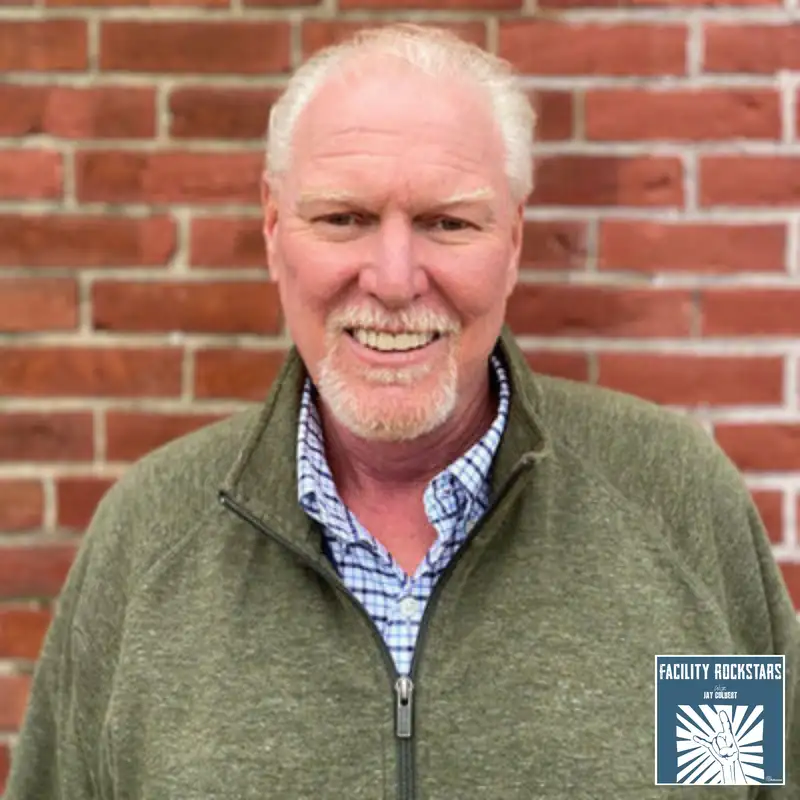
#61

Orchestrating Success: Gretchen Catlin on Leadership, Innovation, and Lobstering

Gretchen Catlin, a seasoned compliance consultant and healthcare operations expert, is currently serving as the Chief Facilities and General Services Officer at the University of Maine System. Gretchen discusses her leadership journey and her role in managing seven campuses with over nine million square feet. She emphasizes the importance of team collaboration, safety, and compliance while sharing insights into innovative strategies like energy savings contracts and AI for standard operating procedures. Additionally, Gretchen offers a unique perspective on balancing her professional life with her personal passion for lobstering, detailing her family's involvement and advancements in ropeless lobster traps to protect marine life. Takeaways:Role as a Conductor: Enrich leadership strategies by fostering teamwork and synchronized efforts among all departments, viewing your role as ensuring the entire team works together seamlessly.Regular Check-ins and Meetings: Schedule frequent check-ins with your team, including one-on-one meetings and regular group sessions, to promote transparency, share best practices, and address any issues promptly.Supporting Each Other as a Team: Encourage a culture of mutual support within your organization to enhance overall performance and resource management, enabling departments to function optimally.Leveraging Energy Savings Contracts (ESCOs): Explore and implement ESCO projects to achieve energy efficiency and fund maintenance projects through the savings achieved, reducing the need to increase debt capacity.Utilizing Artificial Intelligence: Integrate AI tools into daily operations to streamline processes, automate routine tasks, and enhance research capabilities, making work more efficient and less labor-intensive.Innovative Funding Models: Consider non-traditional funding models to address budget constraints and finance critical projects efficiently, exploring all viable financial strategies.Deep Research and Prompt Engineering in AI: Train your team in prompt engineering for AI tools to maximize research efficiency and accuracy, ensuring high-quality data for informed decision-making.Quote of the Show: “Oftentimes, projects pick you. You don’t pick them.” Links:LinkedIn: https://www.linkedin.com/in/gretchen-catlin-29311149/ Website: https://www.maine.edu/ Email: gretchen.catlin@maine.edu Ways to Tune In:Spotify: https://open.spotify.com/show/0M2XB78b09i5vkWy1eHsxb Apple Podcasts: https://podcasts.apple.com/us/podcast/facility-rockstars/id1729458441 Amazon Music: https://music.amazon.com/podcasts/60bbc4f3-a123-47ca-9a83-eade102c5859/facility-rockstars Podchaser: https://www.podchaser.com/podcasts/facility-rockstars-5616662 YouTube: https://youtu.be/9T2CO1xLB9I Facility Rockstars Newsletter: https://subscribe.kaloutas.com Facility Rockstars is sponsored by Kaloutas, operating the way you operate in order to make your life easier. Learn more at: https://www.kaloutas.com 
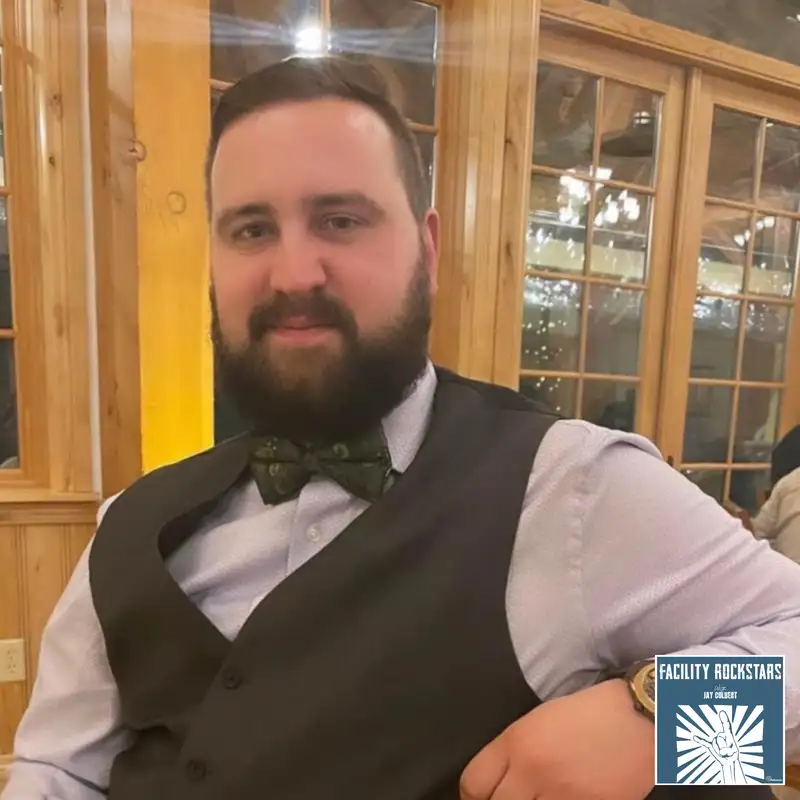
#60

Five by Five: The Art of Knowing Your Team | Tatyana Blankenship

What does it take to lead a facilities team with both empathy and efficiency in today’s complex environments?Tatyana Blankenship, a facilities team leader with expertise in agriculture, biotech, facilities management, and regulatory compliance, shares valuable insights into team management, including the "five by five" exercise, which helps uncover individual work preferences. She discusses the drawbacks of rigid leadership styles and highlights the importance of humility, kindness, and flexibility in effective management.Tatyana also reflects on her unconventional path into facilities management, drawing from her diverse background, including her experiences as an EMT and a stay-at-home parent. The conversation covers challenges like building contamination, the need for proactive communication with other departments, and the value of being a visible, approachable presence on the team.Throughout the episode, Tatyana underscores the role of empathy and the importance of building strong relationships with vendors and colleagues. The episode wraps up with a look at her involvement with IFMA and past experiences with other organizations.  Takeaways:Conduct Regular 5x5 Exercises: Use structured one-on-ones to understand team members' work styles and visibly share insights to improve communication.Embrace the ‘Hire Slowly, Fire Quickly’ Philosophy: Take time to hire the right people and act swiftly when someone disrupts team harmony.Remove Defensiveness from Difficult Conversations: Listen openly to concerns and collaborate on solutions to build trust and reduce conflict.Pair New Employees with Experienced Team Members: Implement mentorship to accelerate onboarding and encourage knowledge sharing.Maintain Visibility as a Leader: Be present, walk the floor, and engage with your team to build trust and demonstrate commitment.Practice Proactive Cross-Department Communication: Hold regular meetings with other departments to align goals and prevent misunderstandings.Document Everything: Keep detailed records of issues and maintenance to identify trends, justify budgets, and support decision-making.Quote of the Show:“Kindness and empathy will get you a lot farther at 2:00 AM when you need a vendor to come out — they’re much more likely to show up if you’ve built a good relationship with them.”Links:LinkedIn: https://www.linkedin.com/in/tatyanablankenship/ Website: https://www.linkedin.com/company/the-416-group/ Ways to Tune In:Spotify: https://open.spotify.com/show/0M2XB78b09i5vkWy1eHsxb Apple Podcasts: https://podcasts.apple.com/us/podcast/facility-rockstars/id1729458441 Amazon Music: https://music.amazon.com/podcasts/60bbc4f3-a123-47ca-9a83-eade102c5859/facility-rockstars Podchaser: https://www.podchaser.com/podcasts/facility-rockstars-5616662 YouTube: https://youtu.be/SOKK5gM-al0 Facility Rockstars Newsletter: https://subscribe.kaloutas.com Facility Rockstars is sponsored by Kaloutas, operating the way you operate in order to make your life easier. Learn more at: https://www.kaloutas.com 
#59

Inquisitive Leadership & Mentorship - Katie Huard - Facility Rockstars - Episode # 059

Are you asking enough questions to grow your career? Katie Huard, Senior Director of Procurement at Blount Fine Foods, discusses the importance of asking questions and how important it is to really understand the “why” behind processes. From her early passion for numbers to leading in operations and supply chain, Katie shares insights on staying curious, mastering vendor audits, and building a strong team culture. She opens up about pivotal career moments, the power of mentorship, and how one-off challenges can lead to lasting improvements. Katie’s story is a masterclass in continuous learning, leadership, and operational excellence. Takeaways:Stay Inquisitive: Continuously ask “why” to challenge the status quo. Questioning existing processes fosters a deeper understanding and can uncover inefficiencies or new opportunities for improvement.Inspect What You Expect: Regular audits of internal processes and external vendors help ensure performance standards are met. This proactive approach catches issues early and maintains operational consistency.Prioritize Clear Communication: Effective communication keeps all stakeholders aligned, especially during high-pressure situations. Transparency helps mitigate issues quickly and supports better decision-making.Always Have a Backup Plan: Develop contingency strategies to prepare for unexpected disruptions. Having alternatives in place reduces downtime and supports smoother pivots during operational challenges.Use Vendor Scorecards: Implement structured evaluations for vendors based on metrics such as quality, reliability, and service. Sharing feedback promotes accountability and drives continuous improvement.Embrace Mentorship: Both receiving and offering mentorship can significantly accelerate growth. Learning from others’ experiences—and sharing your own—builds stronger, more resilient professionals.Foster Strong Relationships: Cultivate collaboration across teams and departments. Understanding others’ roles and challenges helps create a more cohesive, supportive, and high-performing work environment.Quote of the Show:“Getting a hundred on everything—that’s complacency. That’s probably my kryptonite. There’s always room to make things better.”Links:LinkedIn: https://www.linkedin.com/in/katie-huard-081584190/ Email: khuard@blountfinefoods.com Website: https://blountfinefoods.com/ Ways to Tune In:Spotify: https://open.spotify.com/show/0M2XB78b09i5vkWy1eHsxb Apple Podcasts: https://podcasts.apple.com/us/podcast/facility-rockstars/id1729458441 Amazon Music: https://music.amazon.com/podcasts/60bbc4f3-a123-47ca-9a83-eade102c5859/facility-rockstars Podchaser: https://www.podchaser.com/podcasts/facility-rockstars-5616662 YouTube: https://youtu.be/-fjOgiwyFzUFacility Rockstars Newsletter: https://subscribe.kaloutas.com Facility Rockstars is sponsored by Kaloutas, operating the way you operate in order to make your life easier. Learn more at: https://www.kaloutas.com 
#58

The Intersection of People, Processes, and Production - Eric Schneider - Facility Rockstars - Episode # 058

What does it take to lead a facility team with purpose, precision, and heart?Eric Schneider is a seasoned professional with over 40 years of experience in aerospace manufacturing and facility management. He shares his approach to solving complex problems through lean Kaizen methods, including the Five S methodology and the use of Maintenance Action Forms (MAFs) to prioritize and track facility issues.But for Eric, it's not just about process—it's about people. He emphasizes the value of a caring, safety-conscious team and the critical role human connection plays in continuous improvement. From his early days in quality engineering to his current leadership in facility management, Eric reflects on the lessons he’s learned across his career.He also opens up about his commitment to giving back, from volunteering in his synagogue to leading educational tours for students—proving that great leadership extends far beyond the shop floor. Takeaways:Implement the Five S’s: Use the Five S methodology—Sort, Straighten, Sweep, Standardize, and Sustain—to organize and maintain efficient workspaces. Many companies also add a sixth 'S' for Safety, reinforcing a clean and secure environment.Introduce Maintenance Action Forms (MAFs): Establish a system to document, track, and prioritize maintenance issues. Rank problems by urgency—from "as soon as possible" to "needs further discussion"—to ensure clear communication and prompt resolution.Foster a Safety Culture: Create a safety committee to conduct monthly walkthroughs and identify potential hazards. Encourage the reporting of near-misses and safety concerns, and include practices like foreign object debris (FOD) checks to enhance workplace safety.Conduct 'Quote-to-Cash' Tours: Offer tours that showcase the full workflow—from quoting to cash collection—to educate employees and stakeholders. These tours highlight the facilities team’s impact and improve cross-functional understanding.Use Shadow Trays for Tools: Implement shadow trays to ensure all tools are accounted for daily. This reduces the risk of lost tools becoming safety hazards and supports overall workspace organization aligned with 5S principles.Promote a Culture of Safety and Care: Cultivate an environment where employees take ownership of safety and operational excellence. Communicate safety priorities regularly, encourage open reporting, and celebrate small wins to maintain motivation.Schedule Routine Management Walkthroughs: Have management conduct regular walkthroughs to spot inefficiencies or safety concerns. Whether informal (with a notepad) or structured (with scoring systems), these check-ins promote accountability, engagement, and continuous improvement.Quote of the Show:“ A small success, well publicized or seeing something done well that can be promoted for other people to see. That can go a long way with getting other people on board and realizing they could be hopeful too.”Links:Connect with Eric: (860) 970-7580https://www.linkedin.com/in/eric-schneider-2b38a1b8/ Company Website: https://www.enjetaero.com/ Ways to Tune In:Spotify: https://open.spotify.com/show/0M2XB78b09i5vkWy1eHsxb Apple Podcasts: https://podcasts.apple.com/us/podcast/facility-rockstars/id1729458441 Amazon Music: https://music.amazon.com/podcasts/60bbc4f3-a123-47ca-9a83-eade102c5859/facility-rockstars Podchaser: https://www.podchaser.com/podcasts/facility-rockstars-5616662 YouTube: https://youtu.be/mIduR7MogF0 Facility Rockstars Newsletter: https://subscribe.kaloutas.com Facility Rockstars is sponsored by Kaloutas, operating the way you operate in order to make your life easier. Learn more at: https://www.kaloutas.com 
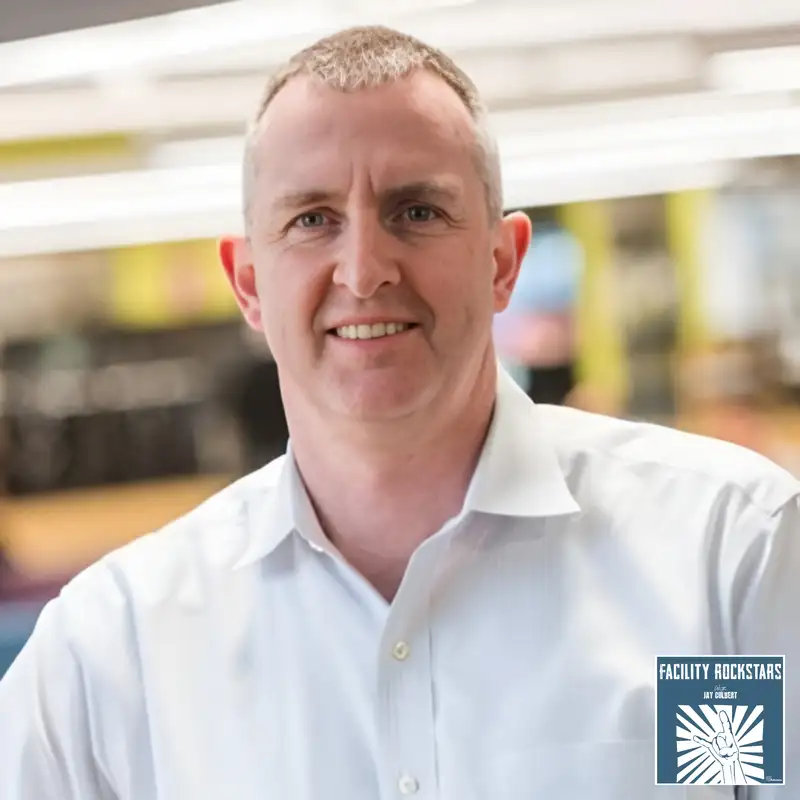
#57

From Clutter to Clarity: Simplifying Safety Systems - Facility Rockstars - Episode # 057

Host Jay Culbert welcomes back previous guests Matt Twerdy and Joe Gilliland for a deeper dive into Environmental Health and Safety (EHS).Matt Twerdy, Director of Environment Health and Safety at Collins Aerospace, and Joe Gilliland, Senior Director of Health, Safety, and Environment US at Sanofi, share their expertise on EHS management systems, human and organizational performance (HOP), and the concept of safety clutter. They emphasize the importance of humble leadership, effective communication, and collaboration in building simple yet resilient safety systems.The conversation highlights the value of empowering employees, fostering a blame-free culture, and leveraging AI to predict and mitigate risks. The guests also explore how these principles apply across industries and the critical role of psychological safety in creating a high-functioning, secure workplace.This episode reinforces the mission to protect workers and cultivate a safety-first culture in all operations. Takeaways:Collaborate with Workers Closest to the Work – Involve employees directly engaged in daily operations to better understand challenges and develop practical safety solutions.Lead with Humility – Foster a culture where leaders value input from all levels, ensuring employees feel respected and heard.Eliminate Safety Clutter – Simplify procedures by removing unnecessary documentation and focusing on critical safety aspects to keep workers engaged.Implement Clear, Simple Procedures – Use short, straightforward checklists and guidelines to reduce errors and enhance safety, especially in emergencies.Encourage Leadership Engagement and Open Conversations – Regularly interact with employees through gemba walks and discussions to uncover risks and improve processes.Empower Employees to Take the Lead – Promote a leader-leader culture where workers are encouraged to make decisions, suggest improvements, and stop unsafe activities.Prioritize Psychological Safety – Create a work environment where employees can voice concerns without fear of blame, fostering trust and organizational excellence.Links:Matt Twerdy LinkedIn: https://www.linkedin.com/in/matthew-twerdy-mba-csp-chmm-9661132a/ Website: https://www.collinsaerospace.com/ Joe Gilliland LinkedIn: https://www.linkedin.com/in/joe-gilliland-544b1611/ Website: https://www.sanofi.com/en Shoutouts: “Turn the Ship Around” by David Marquet: https://davidmarquet.com/turn-the-ship-around-book/ PreAccident Investigation Podcast: https://preaccidentpodcast.podbean.com/ VPP Conference: https://vppregion1.com/2025-safety-health-conference-exhibition/VPP Speakers: https://vppregion1.com/speakers-presenters-guide/Ways to Tune In:Spotify: https://open.spotify.com/show/0M2XB78b09i5vkWy1eHsxb Apple Podcasts: https://podcasts.apple.com/us/podcast/facility-rockstars/id1729458441 Amazon Music: https://music.amazon.com/podcasts/60bbc4f3-a123-47ca-9a83-eade102c5859/facility-rockstars Podchaser: https://www.podchaser.com/podcasts/facility-rockstars-5616662 YouTube: https://youtu.be/OKyOmVGLCPMFacility Rockstars Newsletter: https://subscribe.kaloutas.com Facility Rockstars is sponsored by Kaloutas, operating the way you operate in order to make your life easier. Learn more at: https://www.kaloutas.com 
Previous Page

Displaying 21 - 40 of 97 in total

Next Page